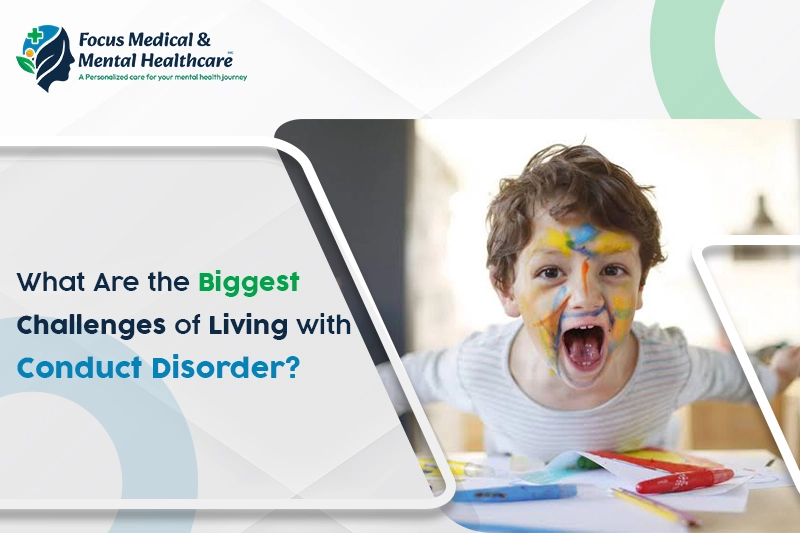
Children often experience varying emotions and moments of anger as they mature. If strong behaviors continue, it may indicate a more serious issue, like conduct disorder. This health issue makes following rules feel totally impossible. Living with this condition is a giant mountain to climb. It hurts the child and impacts the family, causing issues at home, in school, and at the park. We’ll show you how.
Having a Hard Time at School
The classroom is a common point of initial trouble. Common behaviors can be very hard for a child with conduct disorder. Sitting still, listening, and taking turns may feel overwhelming for them. A child might become verbally abusive to a teacher. They may also stop doing schoolwork or even fight with a teacher. These actions can greatly affect the learning experience.
When a child keeps breaking rules, they often get suspended. This can cause the child to fall behind in school. As their grades fall, so do their self-confidence and self-esteem, and for the very bright children, school becomes a weary daily struggle.
Trying to Make Good Friends
Friendships are a vital part of a happy childhood, but forming and maintaining these social bonds can be a massive hurdle for a child with this condition.
Here are reasons why friendship is hard:
- They play too rough and hurt other kids.
- They take toys without asking.
- They call people mean names when upset.
- Other children feel too scared to play.
Consequently, peers often distance themselves, leaving the child isolated. Deep down, these children typically crave strong friendships but lack the social skills necessary to form them, leading to profound daily loneliness.
Following the Rules at Home
Home should be a safe place. But when a child has conduct disorder, home feels hard. Parents make rules to keep everyone safe. A child with this condition often breaks those rules on purpose to push limits.
Some common problems at home include:
- Staying out late without asking.
- Taking money or toys from a sibling.
- Breaking plates or kicking doors when mad.
- Screaming at parents instead of talking.
Parents inevitably become exhausted as their best efforts to help seem ineffective. The child’s strong aversion to authority often triggers loud arguments, leaving the entire household distressed and making peaceful moments incredibly rare.
Dealing With Very Big Feelings
Everyone feels angry sometimes. When most kids get angry, they cry or take a deep breath. Kids with conduct disorder do not do this. Instead of processing their emotions, their feelings immediately translate into impulsive actions. Because they act before they think, a moment of anger might lead to pushing a classmate, or a sudden craving might result in taking candy from a store without considering the consequences. Because of this, they get into trouble. Later, they might not understand why everyone is yelling. Learning to control big feelings takes practice. They need adults to show them how to stop and think.
Facing Other Health Problems
Conduct disorder is frequently accompanied by other mental health or behavioral conditions, compounding the challenges the child faces.
Some other problems they face are:
- Feeling very sad for many days.
- Worrying too much about bad things happening.
- Having a hard time paying attention to tasks.
- Finding it impossible to sit still in a chair.
Navigating multiple conditions at once can feel overwhelming. For example, an inability to focus on homework can quickly escalate into physical frustration. Because these compounding issues can become entirely unmanageable, it is vital to consult a healthcare professional who can evaluate and treat the whole picture.
Hearing What Other People Say
People can be mean. Because conduct disorder is an invisible mental health condition, it is often misunderstood by outsiders who simply see a child misbehaving in public. Neighbors may whisper and other parents may unfairly judge your parenting skills based on a passing public meltdown. While untrue, these harsh judgments can drive families to avoid public spaces entirely to escape the stares, leading to profound feelings of isolation.
Getting Help from Focus Medical and Mental Healthcare Inc
The right care changes everything. Focus Medical and Mental Healthcare Inc is here to help your family find peace.
Here is how they support families:
- They listen to your family without judgment.
- They look closely to find out why the child acts out.
- They make a special plan just for your child.
- They teach the child how to handle anger safely.
- They show parents new ways to talk to their child.
The team cares a lot. They give families real hope for a better tomorrow.
Looking Forward to a Better Future
Hope, which is what you need to remember. Living with conduct disorder is very tough. But things really can get better. With love and the right care, kids can learn new ways to act. Don’t give up. Seeking help is a vital step for your family to rediscover joy and begin healing.
FAQs
Q. Why Is School Hard for These Kids?
Schools have many rules. Kids with this condition struggle to sit still or listen. This often leads to fights and low grades.
Q. Can Kids with Conduct Disorder Make Friends?
It is very tough. They might play too rough or grab toys without asking. Other kids feel scared and stay away.